Signs You Need Bed Bug Treatment and When Heat Works Best
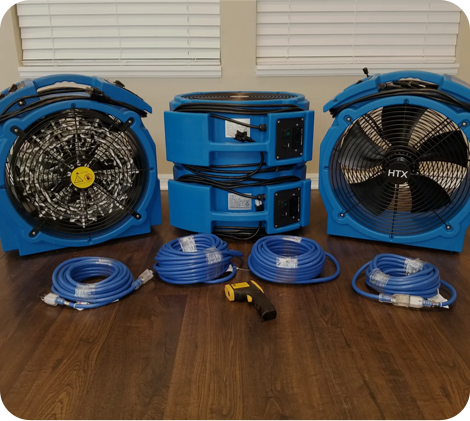
Bites alone do not prove bed bugs, so look for live bugs, rust colored spots, dark specks, shed skins, eggs, and a musty smell. Act early, because they spread fast. Heat works best for confirmed infestations, hidden bugs, and eggs. Read on for when it needs extra care.
Waking up with a few itchy marks does not always mean bed bugs. So how do you know when it is time to act? People ask their phones this all the time: when should I treat bed bugs? The honest answer is as soon as you find real signs, because waiting only gives them time to spread. Here is what to look for, and when heat treatment is the right way to deal with it.
How to Tell When Bed Bugs Need Treatment
Bites alone are not proof, since other things cause them too. These signs are more reliable, so look for them together.
-
Live Bugs: Adult bed bugs are flat, reddish-brown, and about the size of an apple seed. Seeing even one is enough reason to start checking properly.
-
Rust Colored Spots: Small rust colored stains on sheets or the mattress are often squashed bugs or their droppings.
-
Dark Specks Along Seams: Tiny black dots around mattress seams, the bed frame, or the headboard look like someone dotted them with a pen.
-
Shed Skins: Bed bugs shed pale yellow skins as they grow, and these collect near their hiding spots.
-
Small White Eggs: Eggs are about the size of a grain of rice and tucked into cracks, seams, and corners.
-
A Sweet, Musty Smell: Heavier infestations can leave a faint odor in the room, a bit like damp laundry.
Check mattress seams, the bed frame, headboard, baseboards, and behind picture frames. Our guide on checking for bed bugs shows where to look room by room.
When Does Heat Treatment Work Best for Bed Bugs?
Bed bugs do not stay put. One female can lay many eggs over her lifetime, so a few bugs can turn into dozens within weeks. They also travel on bags, clothes, and furniture, moving from the bedroom to the couch and then to the next room. Heat tends to work best when:
-
The infestation is confirmed, whether in one room, several rooms, or a whole home
-
Bugs are hiding in mattresses, furniture, and seams that sprays cannot reach
-
Eggs are a concern, since heat reaches every life stage
-
Items cannot be washed or thrown out
-
Chemical treatments have already failed, or you would rather avoid residue around kids and pets
-
The cost of a full extermination is putting you off acting
Bed bugs die at around 120 degrees Fahrenheit. A room is brought to about 120 to 150 degrees and held there for several hours, with fans moving the hot air into the hidden spots. A typical treatment takes about a day.
Heavy clutter, high ceilings, concrete block walls, and drafty windows can slow heating, so a larger heater or more time may be needed. As a bed bug heater rental company, we help you pick a package sized for these conditions, since it is better to have extra heating power than to run short halfway through. In apartments, bugs can travel through shared walls, so let your landlord know. Heat clears out the bugs that are there, but it does not stop new ones arriving later, so keep checking luggage and secondhand furniture.
A Last Thought
Finding bed bugs feels awful, but acting early makes everything easier and cheaper. In Houston, bed bug heat treatment with a rented heater is a practical option for people who want to handle it themselves, without chemicals. A bed bug heater rental comes with setup guidance, and if you are unsure where to start, please contact us and ask.
Popular Posts
September 26, 2026
September 20, 2026
September 6, 2026