How Long Bed Bugs
Have Been Around
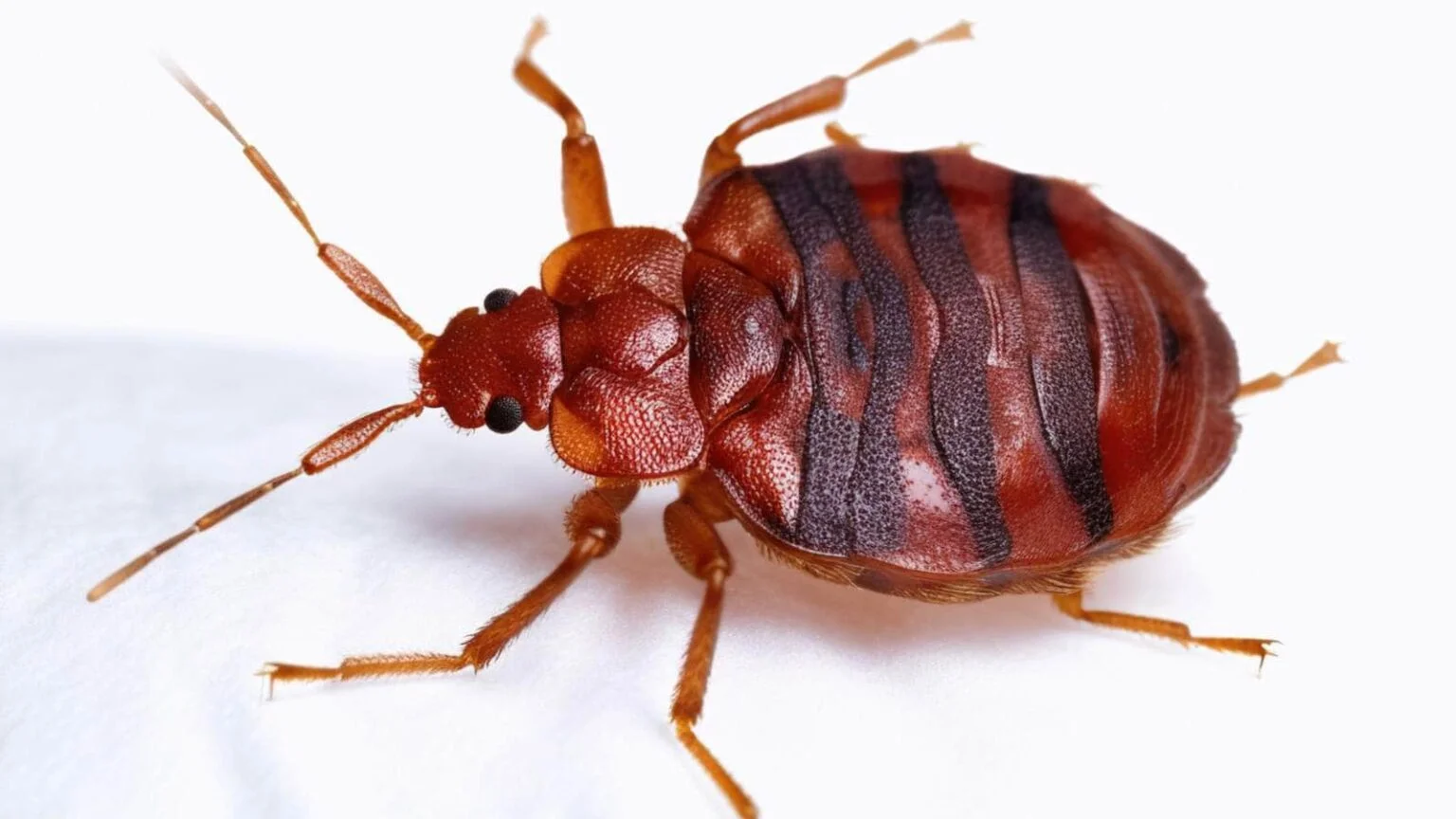
People have been sharing their homes with bed bugs for thousands of years. The species, Cimex lectularius, is a small, flat, wingless insect with a reddish brown body that survives on human blood. It spends the day in tight, dark gaps and comes out at night to feed. Bed bugs breed fast and adapt to nearly any setting, which explains why such a tiny creature has outlasted so many attempts to get rid of it.

How Bed Bugs Spread Between Places
A bed bug does not need a dirty house or a wealthy owner. It just needs a ride. Luggage, clothes, used furniture and bags carry them from one place to the next, and any spot where people sit or sleep can pick them up, such as hotels, hospitals, libraries and public seating. They have turned up in everything from luxury resorts to cheap motels. That is why a bed bug problem says nothing about how clean a home is.
Where Bed Bugs Originally Came From
The scientific name comes from Latin: cimex means bug, and lectularius refers to a bed or couch. Written records from ancient Greece, Rome and China mention bed bugs, and a few early writers even listed them as a folk remedy. When European settlers crossed to the Americas in the 1600s, the bugs came along in their trunks and bedding, and they grew in number as towns grew.

How Bed Bugs Nearly Disappeared
Through the early 1900s, bed bugs were a familiar household nuisance in the United States. That changed after the Second World War, when the insecticide DDT came into wide use. Its insect-killing power had been discovered in 1939, and it pushed bed bugs close to disappearing from homes across much of the developed world by the 1950s. DDT was later banned for most uses in 1972 over its damage to wildlife and the environment, but by then many bed bugs had already built up resistance to it.
Why Bed Bugs Returned in the 1990s
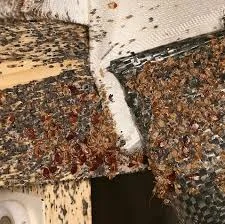
In the late 1990s, bed bugs began showing up again, first in the United States and then in many other countries. Several things combined to bring them back. The bugs were resistant to the chemicals once used against them, and pest control methods had changed. Most people had never seen a bed bug, so they did not know the signs. Air travel carried them across long distances, and the cost of professional treatment meant many cases were left alone and kept growing.
Why They Are Still Hard to Control
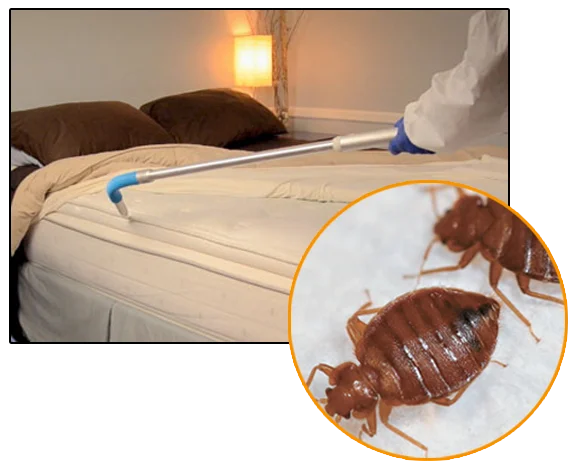
Today, bed bugs remain a stubborn problem. Professional treatment is costly, and the embarrassment many people feel stops them from asking for help early, which gives the bugs time to spread. Resistance to common pesticides makes the job harder still. Newer chemical-free options are starting to change this, especially do-it-yourself approaches that use heat and are within reach of ordinary households.